WP3
Resource valorisation and prototype validation
Research Line 1 · Soil Health and Sustainable Farming Practices
Lead researcher: Manuela Pintado
Research units: CBQF
Overview
WP3 explores the potential to valorise agricultural crops and plant residues through approaches linked to the circular bioeconomy, sustainability, and bio-based innovation.
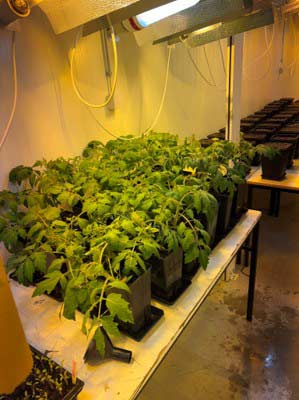
Building on agricultural trials and bioinoculant-based systems developed in WP1 and WP2, this work assesses the nutritional, functional, and environmental value of crops such as lupin, barley, and tomato, while also exploring new applications for agricultural biomass and plant-based by-products.
Biomass, materials and circular bioeconomy
A central area of WP3 is the valorisation of lignocellulosic biomass derived from agricultural residues. Through sustainable extraction and transformation processes, the project explores the potential of natural biopolymers—such as cellulose, hemicellulose, and lignin—for applications in different contexts.
The materials developed may be used in areas such as food coatings, biomedical materials, and cultural heritage conservation, promoting new approaches to agricultural waste reuse and the development of bio-based solutions.
Nutrition, quality and food safety
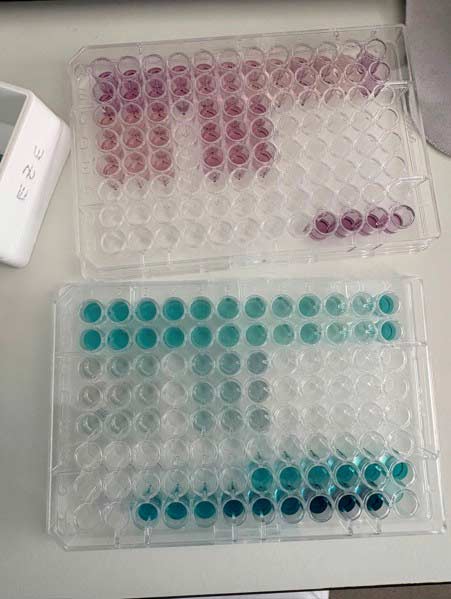
WP3 also carries out the nutritional and functional characterisation of the crops studied in the project, analysing factors such as protein composition, minerals, antioxidant compounds, and overall nutritional quality.
In parallel, microbiological and toxicological assessments are conducted to ensure the safety of the developed products, contributing to more sustainable, safe, and resilient food systems.
Sustainability and validation of solutions
The work developed involves the environmental and economic assessment of the agricultural systems developed throughout the project.
Through life cycle assessment methodologies, predictive modelling, and the integration of agronomic and environmental data, WP3 aims to validate the scalability of the solutions developed and support more sustainable agricultural practices adapted to climate change.