WP2
Bioinoculants for climate-smart agrifood production
Research Line 1 · Soil Health and Sustainable Farming Practices

Lead researcher:
Paula Castro
Research units: CBQF
Overview
WP2 investigates the potential of beneficial microorganisms to support more sustainable and climate-resilient agricultural practices.
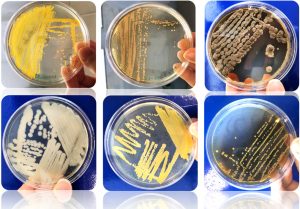
Through the study of plant growth-promoting bacteria and mycorrhizal fungi, the work aims to develop solutions that can improve crop resistance to drought, enhance soil fertility, and reduce the need for synthetic fertilizers and other inputs.
Microorganisms and sustainable agriculture
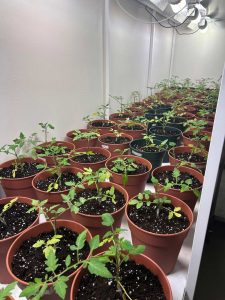
Greenhouse and field trials assess the impact of bioinoculants on crop development under different environmental conditions, including water-limited scenarios.
WP2 analyses key indicators related to agricultural productivity, nutrient use efficiency, and soil health, while also exploring the dynamics of soil microbial communities and their relationship with more resilient agricultural systems.
Nutrient monitoring and technological innovation
One of the central areas of this WP is the development of tools for monitoring essential micronutrients in soil, particularly iron and zinc, due to their role in plant growth and human nutrition.
In addition to laboratory protocols for assessing nutrient availability, the project will develop a portable prototype for rapid, on-site monitoring in agricultural contexts, supporting more sustainable fertilisation practices and precision agriculture.
Soil, nutrition and climate resilience
By improving the availability of key micronutrients for plant growth and the nutritional quality of food, WP2 contributes both to the health of agricultural ecosystems and to more sustainable food systems.
The work integrates microbiology, soil fertility, and technological innovation to support regenerative agriculture strategies adapted to current climate challenges.