WP6
Innovation strategies for Outdoor Heritage and Artistic Production
Research Line 3 · Art, AI and Material Futures
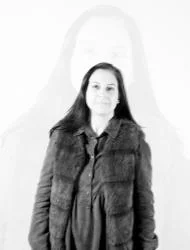
Lead researcher:
Patrícia Moreira
Research units: CITAR ∙ CEGE
Overview
WP6 investigates new strategies for the conservation of built heritage and artistic creation in the context of climate change, exploring the relationship between materials, living organisms, sustainability, and public space.
Through collaboration between researchers, artists, institutions, and communities, this work aims to develop innovative solutions for stone heritage conservation, the creation of sustainable materials, and ecological integration in contemporary public art.
Materials, bioreceptivity and heritage
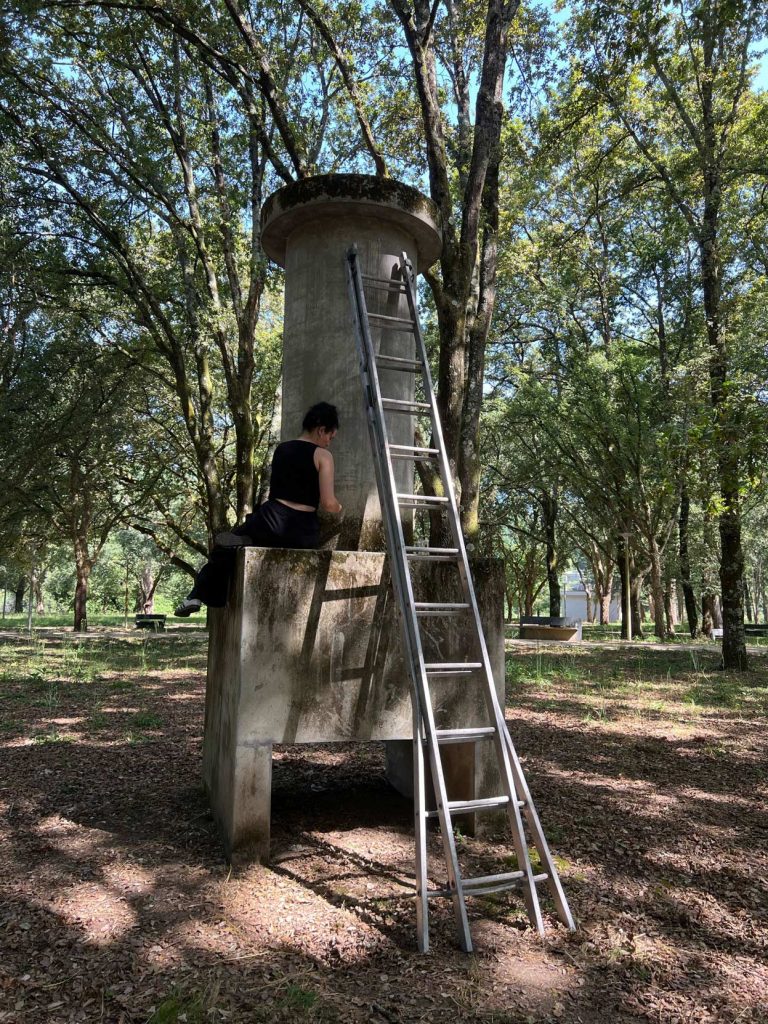
One of the main research areas of WP6 is the development of stone and composite material prototypes designed to explore bioreceptivity—that is, the interaction between material surfaces and living organisms such as mosses, lichens, algae, or biofilms.
These prototypes serve as experimental models to study new approaches to sustainable heritage conservation and to explore possibilities for ecological integration in public artworks.
The work also involves the use of agricultural residues and bio-based materials developed in other research lines of the project, particularly in RL1 and WP3, promoting circularity and sustainable innovation strategies.
Sustainable conservation and new materials
WP6 develops coatings, consolidation solutions, and cleaning materials for stone heritage using compounds derived from agro-industrial residues and natural resources. The work also includes the development of safer and more sustainable cleaning solutions for heritage surfaces, particularly for the removal of graffiti and stains on stone.
These solutions aim to reduce the environmental impact associated with traditional conservation practices while exploring biological protection properties, material stability, and compatibility with heritage surfaces.
Among the materials studied are natural biopolymers, starches, cellulose, and plant-derived compounds applied to the preservation of monuments, historical buildings, and outdoor public art.
Public art, ecology and collaboration
WP6 explores collaborative practices between art, science, and society.
The project investigates possibilities for artistic creation involving living materials, microorganisms, and ecological strategies applied to public space, promoting dialogue between artists, researchers, cultural institutions, and communities.
These approaches seek to rethink the role of contemporary public art in response to current environmental and urban challenges, exploring new forms of co-creation, sustainability, and citizen participation.